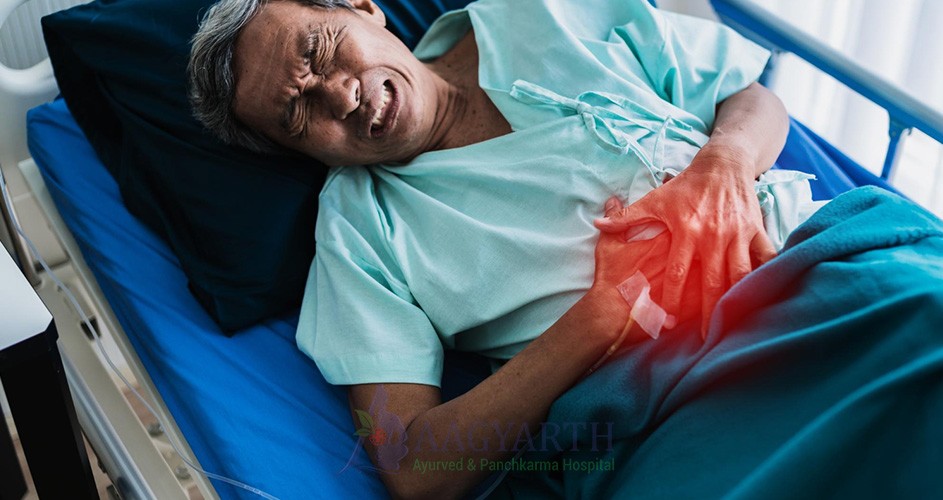
In Ayurveda, liver cirrhosis is understood as a chronic, progressive condition primarily linked to an imbalance of the Pitta dosha, which governs metabolism and digestion. It is often categorized under the broader group of abdominal diseases known as Udara Roga (specifically Yakritodara) or as an advanced, chronic stage of jaundice called Kumbha Kamala.
- The Liver (Yakrit): The liver is considered the seat of Ranjaka Pitta, which is responsible for transforming plasma into blood.
- Pathogenesis: Chronic aggravation of Pitta (due to alcohol, poor diet, or toxins) leads to inflammation and "overheating" of the liver. Over time, this results in the accumulation of Ama (toxins), which obstructs the body's channels (Srotas), causing the liver to become dry, rough (Kharatva), and eventually scarred.
- Tridoshic Involvement: While it begins with Pitta, advanced cirrhosis involves all three doshas: Vata causes the structural scarring (fibrosis), and Kapha leads to fluid retention (ascites) and metabolic sluggishness.
Treatment
Ayurvedic management focuses on detoxifying the liver, balancing the doshas, and promoting cellular regeneration.
- Panchakarma (Detoxification):
- Virechana (Therapeutic Purgation): The primary treatment to eliminate excess Pitta and toxins from the liver and intestines.
- Vamana (Therapeutic Emesis): Used to remove Kapha-related toxins and clear digestive heat.
- Basti (Medicated Enema): Helps balance Vata and manage abdominal swelling.
- Herbal Remedies: Common hepatoprotective and regenerative herbs include:
- Bhumyamalaki: Supports liver cell repair and is used for viral and alcoholic damage.
- Katuki: A bitter tonic that improves bile flow and reduces inflammation.
- Punarnava: A natural diuretic that helps reduce fluid accumulation (ascites).
- Guduchi: Enhances immunity and rejuvenates liver tissues.
- Bhringraj: Acts as a liver tonic to help repair damaged cells.
- Formulations: Frequently used herbo-mineral preparations include Arogyavardhini Vati, Punarnavadi Kwath, and Liv.52. Dietary discipline is considered as important as medication in Ayurveda.
- Recommended: Easily digestible foods like green gram (moong dal), buttermilk (Takra), boiled rice, and bitter vegetables.
- Avoid: Alcohol, salt (in cases of ascites), spicy, oily, and processed foods.
- Routine: Regular sleep patterns and stress management through Yoga and Pranayama (e.g., Kapalabhati) are advised to support liver healing.
While modern medicine often views advanced cirrhosis as irreversible, Ayurvedic case studies have shown potential for reversing fibrosis and improving liver function test parameters (AST, ALT, bilirubin). However, complete reversal of extensive scarring in end-stage disease is rare, and Ayurveda is typically used as a supportive or integrative therapy alongside modern monitoring.
BEST LIVER CIRRHOSIS TREATMENT IN AHMEDABAD
DR MILAN PRAJAPATI
AAGNEY AYURVED PANCHKARMA HOSPITAL
CONTACT NO - 9724575599
EMAIL ID: drmilanprajapati@gmail.com
ALL MEDICLAIM FACILITIES ARE AVAILABLE .