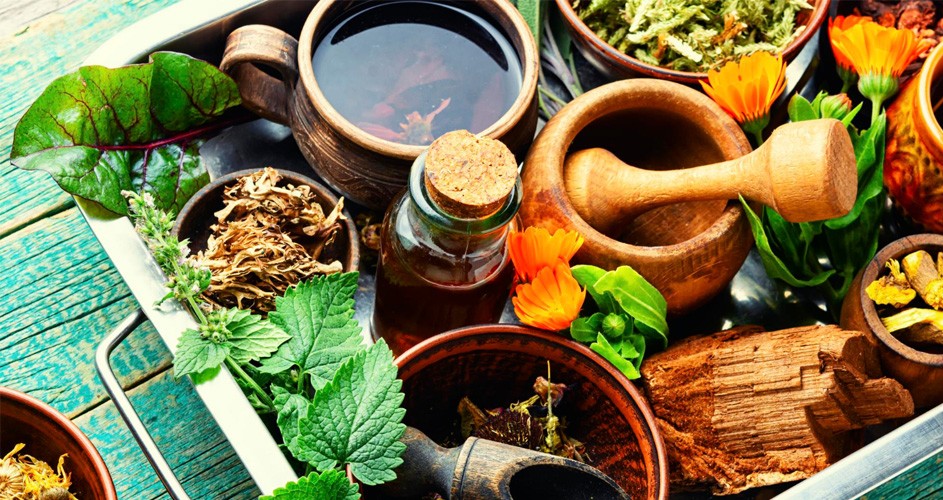
Introduction :-
Ayurveda emphasizes both internal and external therapies for maintaining health and treating disease. Local applications, also called Bahya Chikitsa, are procedures or formulations applied directly to the affected part of the body. These therapies work through the principles of Snehana (oleation), Swedana (sudation), Shamana (pacification), and Shodhana (elimination), providing preventive and therapeutic benefits.
Classical Concept :-
The body (Sharira) is the seat of dosha, dhatu and mala. When imbalance occurs locally, it can be corrected directly at the site. Ancient texts like Charaka Samhita, Sushruta Samhita and Ashtanga Hridaya describe multiple external therapies. Local applications provide faster relief in certain conditions because of direct absorption, improved circulation and reduction in local pathology.
Objectives of Local Application :-
Local applications are used to reduce pain, stiffness, swelling and inflammation in a particular area. They also improve local circulation, promote tissue healing, and prevent progression of localized conditions into systemic disease. In many cases, they complement internal medication and enhance overall therapeutic outcomes.
Types of Local Applications in Ayurveda :-
Abhyanga (Oil Massage):
This involves applying medicated oil to the whole body or a specific part with gentle massage. Commonly used oils include Mahanarayana Taila, Sahacharadi Taila and Dhanwantharam Taila. Abhyanga relieves stiffness, nourishes tissues and improves circulation.
Lepa (Herbal Paste Application):
Freshly prepared herbal paste is applied over the affected area for a prescribed time. This is especially beneficial in conditions such as joint pain, swelling, wounds and certain skin diseases.
Upanaha (Poultice):
A warm medicated paste is tied over the affected area with a cloth. It provides deeper penetration and relief from chronic pain, stiffness and inflammation.
Parisheka or Seka (Pouring of Medicated Liquids):
This involves continuously pouring warm decoctions, medicated milk or oils over a localized area. Common examples are Ksheeradhara or Dhanyamla Dhara, which are useful in stiffness, pain and inflammatory conditions.
Pradeha (Smearing):
This is similar to lepa but thicker and retained longer, providing a more sustained effect. It is used in wound healing, local inflammation and chronic skin conditions.
Pichu (Oil-Soaked Pad):
A cotton pad soaked in warm medicated oil is placed over the affected area for a specific duration. This therapy is common over the scalp, lumbar region, or joints to nourish tissues and alleviate pain.
Patra Pinda Sweda or Kizhi (Bolus Fomentation):
Medicated boluses prepared from herbs are applied to painful or swollen areas. This combines massage, sudation and medication, making it useful in musculoskeletal and neurological disorders.
Local Therapies for Specific Organs:
Ayurveda also prescribes special local procedures for ears (Karna Purana), eyes (Netra Tarpana), nose (Nasya) and pelvic organs (Uttarbasti, Yoni Pichu, Matra Basti) for diseases of respective regions.
Mechanism of Action
- Local applications act through several mechanisms:
- Absorption of active principles through the skin or mucosa.
- Stimulation of peripheral circulation and removal of local ama (toxins).
- Pacification of aggravated doshas at the affected site.
- Reduction of inflammation, swelling and pain by nourishing dhatus.
Promotion of tissue regeneration and wound healing.
Indications :-
Local applications are highly effective in musculoskeletal disorders like arthritis, spondylitis and myalgia; skin disorders such as eczema, psoriasis and non-healing wounds; neurological conditions like neuralgia and neuropathic pain; gynaecological and urogenital conditions including pelvic pain and infertility (using Uttarbasti or Yoni Pichu); and ENT disorders such as sinusitis, earache and migraine.
Contraindications :-
Local applications should be avoided in open infected wounds with pus unless indicated for wound management, in acute systemic infections with fever, in severe circulatory compromise or gangrene, in known allergic reactions to oils or herbs used, and during pregnancy for certain procedures like Uttarbasti.
Advantages :-
Local applications deliver direct and focused action at the affected site, reduce systemic side effects, and can be used as an adjunct to internal medication. They also enhance patient comfort, compliance and offer rapid symptomatic relief.
For more information :-
Dr. Milan prajapati (M.D. Ayurved)
Aagneya ayurveda panchakarma hospital
Contact number :- 9724575599
www.drprajapatis.com
Address:- Sankalp square 2, Paldi Underbridge,Near kalgi char Rasta, Jalaram temple,Paldi, Ahmedabad — 380007
All mediclaim facility are available.