Bhadrapad sits in mid-august to mid-september. It covers the end of varsha ritu and leads directly into sharad ritu during monsoon, pitta dosha naturally accumulates in the body. As the rain clouds clear in bhadrapad, the sudden autumn heat provokes and aggravates this accumulated pitta (pitta prakopa).
Diseases arise in this season:
- Digestive & gastric disorders (annavaha strotas): Hyperacidity (amlapitta), Vomiting (chhardi), seasonal diarrhoea (atisar), mouth ulcers (mukhapaka)
- Blood & skin diseases (raktavaha strotas): skin rashes (twak vikar), bleeding tendencies (raktapitta), severe itching (kandu), eye inflammation and conjuctivitis (netra rog)
- Systemic and febrile conditions: seasonal fever (pittaj jwar), intense thirst (trishna) burning sensation (daha), jaundice/liver stress (kamala)
Daily routine(dinacharya) followed in this season:
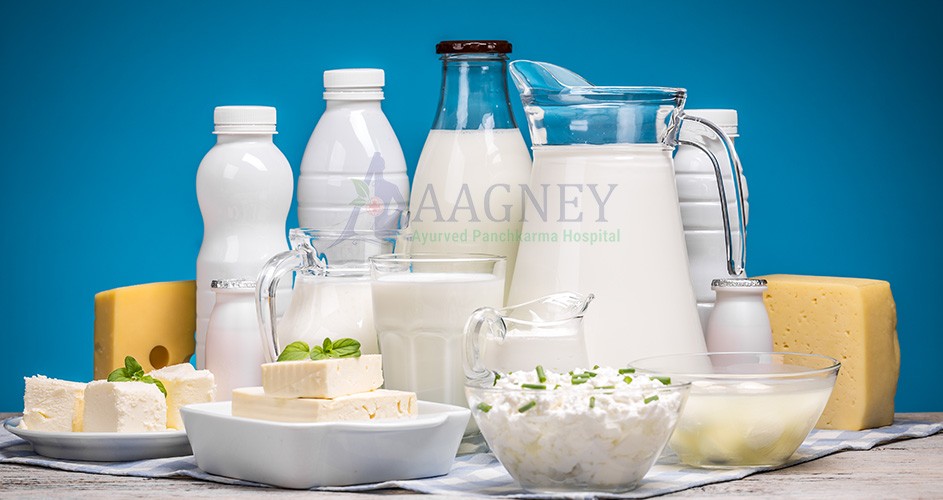
In ayurveda, dairy products play an important role during this season because sweet (madhura), cooling (sheet) and unctuous (snigdha) foods helping to reduce internal heat and blood toxicity (rakta dushti).
- Cow's milk (goksheera): fresh, warm milk pacifies pitta dosha and reduce the internal burning sensation.
- Ghee (ghrita): cools pitta dosha without diminishing digestive fire. Tikta ghrita (bitter-herb infused ghee) is specifically used in this month to prevent skin diseases etc.
- Fresh milk kheer: rice/shashtika shali cooked in milk with sugar and cardamom acts as a seasonal tonic.
According to Acharya charak, one should eat old barely, wheat and shali rice and drink boiled water. charak mentioned panchkarma like virechan (purgation) and raktamokshan (bloodletting) for prevention purpose from all the diseases arise in this month.
What should avoid in this month:
Foods: Sour curd and buttermilk, extremely salty flavors, excessive spicy items, fermented items, avoid using mustard oil and switch to cow’s ghee, which calms pitta.
Lifestyle: Daytime sleeping, excessive exercise, excessive anger and stress, suppression of natural urges like hunger, thirst, urine.
Best Centre For All Ayurvedic And Panchakarma Treatment
Aagney Ayurveda Panchakarma Hospital
Dr. Milan Prajapati
Contact No: 9724575599
Email Id: drmilanprajapati@gmail.Com
All Mediclaim and Cashless Facilities Are Available.