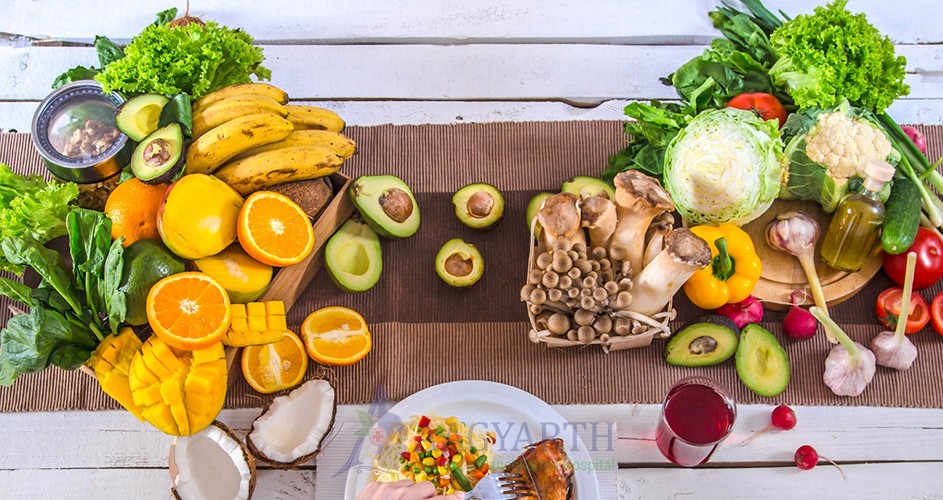
Raw food consumption offers potential benefits like higher intake of vitamins and fiber, but it also carries significant risks. While proponents suggest it improves energy and weight management, it is a myth that raw is always healthier than cooked. Cooking is essential for safety, as it eliminates harmful bacteria and toxins in meat, dairy, and produce, while also increasing the bioavailability of certain vital nutrients like lycopene.
Myth: Raw food is always more nutritious.
Fact: Cooking can increase the bioavailability of nutrients .
Myth: A raw diet is safe for everyone.
Fact: It poses risks of foodborne illness and potential nutrient deficiencies (e.g., B12, D, zinc).
Myth: Cooking destroys all beneficial enzymes.
Fact: While heat can affect some enzymes, cooking improves digestibility and nutrient absorption.
Myth: Only raw food provides enough vitamins.
Fact: A balanced diet with both raw and cooked foods is often more effective at maintaining optimal nutrient levels.
Safety First: Raw animal products, including meat, eggs, and unpasteurized dairy, carry a high risk of bacterial contamination (e.g.Salmonella**E. coli) that only cooking or pasteurization can reliably eliminate.
Nutritional Balance: Strict raw diets can lead to long-term deficiencies in energy, protein, vitamin B12, and bone health. Careful planning and supplementation are often required for those following restrictive versions of this diet.
Digestibility: Some people find raw vegetables difficult to digest, leading to discomfort like bloating or cramping; cooking can help break down fibers and make nutrients easier to absorb.
Get Best guidance about food in Ahmedabad at Aagyarth Ayurveda Panchkarma Hospital.
All mediclaim facilities are available.
DR MILAN PRAJAPATI
AAGNEY AYURVEDA PANCHKARMA HOSPITAL
CONTACT NO: 9724575599
EMAIL.COM: drmilanprajapati@gmail.com